
I have been watching the rush to adopt AI, and I feel a real urgency about how we approach it.
There is a massive temptation to view AI as a superpower: a way to achieve more, move faster, and scale our capabilities.
On one level, that is good. Spending time learning these tools and integrating them into our workflows is valuable work. It is a necessary skill for the current moment.
But I keep coming back to a deeper question.
As we focus so much energy on mastering the machine, are we still developing the parts of ourselves that only grow through human effort?
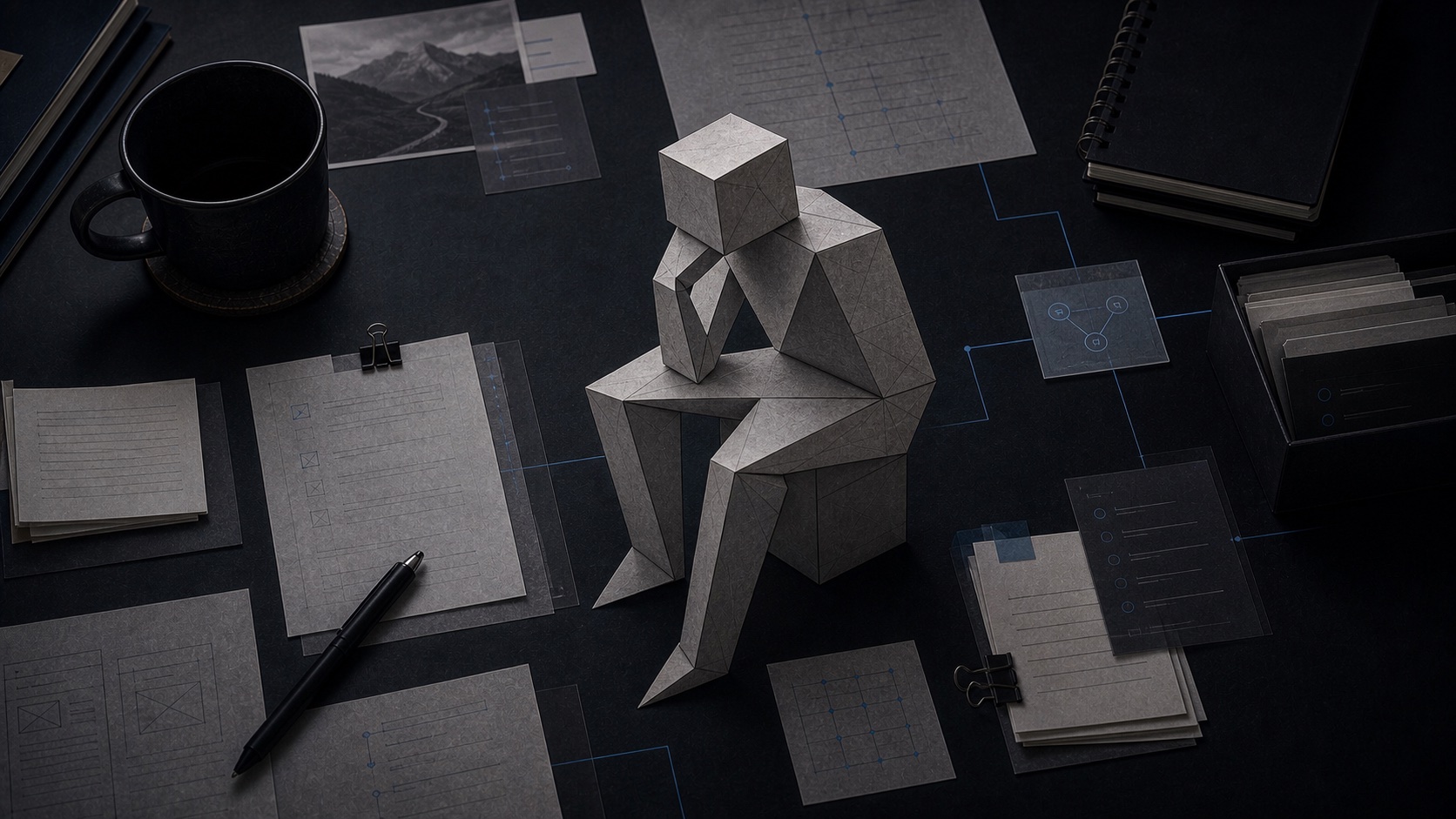
There is a specific type of growth that comes through struggle, intuition, judgment, and the refinement of our own capabilities. If we use AI only to optimize output, we can accidentally bypass the very processes that shape our character and discernment.
That is the tension I feel as an operator and agentic engineer.
AI should enhance our capabilities. It should help us think, build, test, and move with more focus. But we have to be intentional about how we use it and how we collaborate with it.
The tool should not become a substitute for the soul of the work: what makes us unique.
In a future where everyone has access to AI, that uniqueness will matter even more. If we do not have a clear sense of mission, a deep understanding of our ultimate why, then we are using a superpower to run faster in a direction we have not actually defined.
The question for us now is how to balance the two.
We should embrace the technology, but we should use it to create more room for the work that only we can do.
For me, that means using AI to enhance my own capabilities, then spending the time it gives back on strategic thinking, engineering judgment, architectural design, and the mission-level work that shapes what I build next.